
Humanoid Robots Are No Longer Science Fiction: What’s Happening in 2026
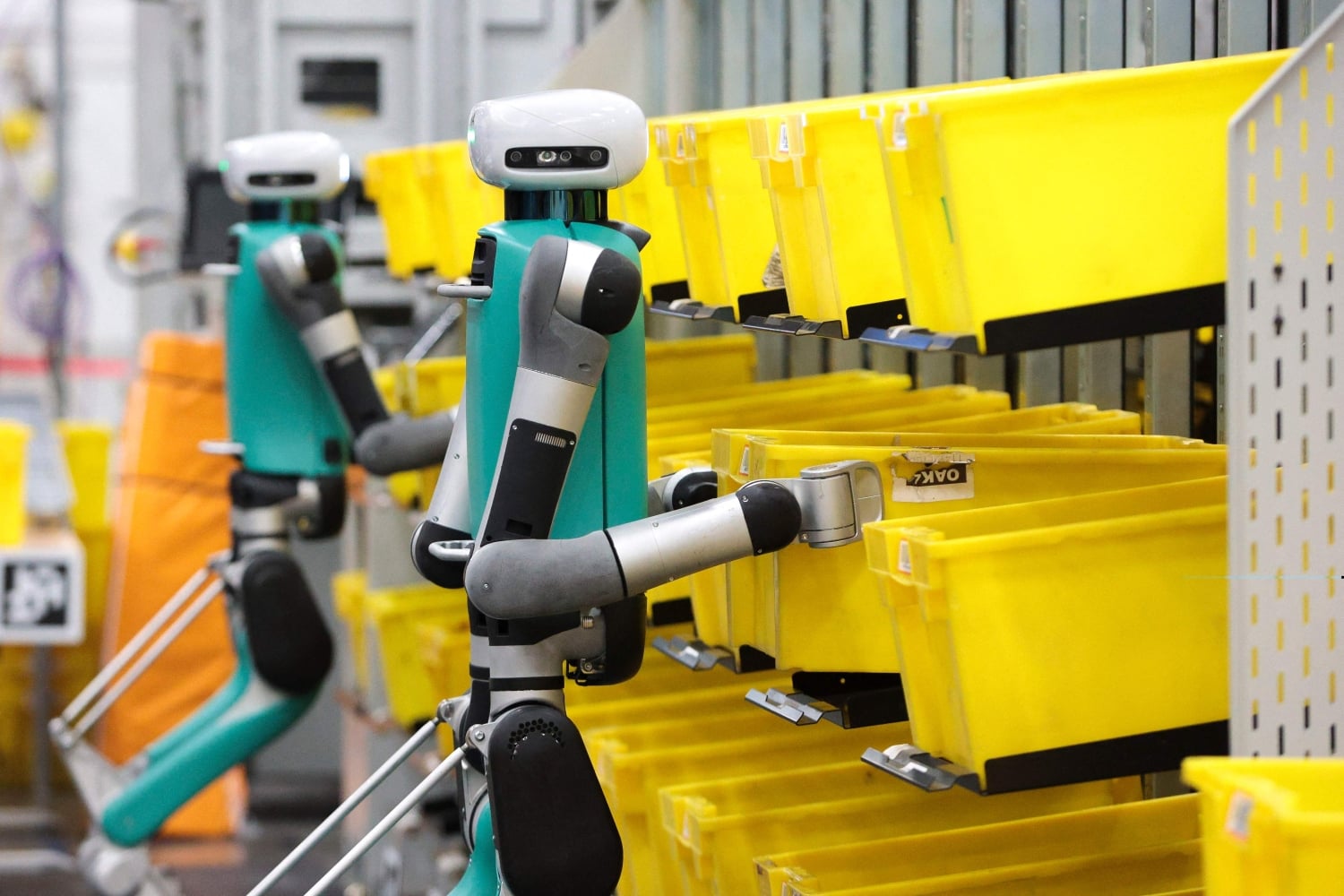
Chinese humanoid robot manufacturer Agibot rolled out its 10,000th mass-produced unit in early 2026 — just three months after announcing its 5,000th. That production ramp is not the pace of a research project. It’s the pace of a manufacturing industry. Meanwhile, Figure AI, 1X Technologies, Tesla Optimus, and Boston Dynamics’ Atlas are all in various stages of deployment, pilot programs, or scale-up. Humanoid robots are no longer a future technology. They are a present-tense industry.
This post explains what’s actually happening, which companies matter, what problems remain unsolved, and why this shift matters even if you never interact with a robot directly.
The state of humanoid robotics in 2026
The field has moved faster than almost anyone expected, driven by two converging forces: better AI (language models that can understand tasks and plan multi-step actions) and better hardware (actuators, batteries, and sensors that have improved dramatically in price and performance).
Current status across major players:
Agibot — The Chinese manufacturer is the current production leader. 10,000 units is a real number. They are targeting logistics, warehouse, and light manufacturing applications first.
Figure AI — US-based, backed by a consortium of major investors including OpenAI. Deploying pilot units in BMW manufacturing facilities. Their Figure 02 robot can perform assembly tasks with a level of dexterity that was not achievable by robots two years ago.
Tesla Optimus — Elon Musk has stated Optimus will work in Tesla’s own factories first, then be offered for sale. The timeline has slipped repeatedly, but the hardware and software progress is real. Optimus Gen 2 is significantly more capable than the first version.
Boston Dynamics Atlas (Electric) — The new electric Atlas — the humanoid successor to the famous hydraulic version — is designed for real deployment, not just viral demos. Hyundai is a major backer and production use case.
What makes 2026 different from previous “robot waves”
There have been many moments in the last 30 years where robotics seemed poised to break through. Why is this time different?
Language model integration — Modern robots can be given tasks in plain language. “Pick up the red box and put it on the conveyor belt” is something they can parse, plan, and execute. Previous generation robots needed explicit programming for every action.
Better manipulation — Grasping and manipulating objects in unstructured environments (not a perfectly arranged factory line) was a massive unsolved problem. It’s still hard, but the gap is closing faster than expected, thanks to training on large datasets of robotic manipulation.
Cost trajectory — Manufacturing costs for humanoid robots are falling rapidly as production scales. The long-term price target for general-purpose humanoid robots is in the range of a mid-range car — expensive but not exotic.
AI “brains” separate from hardware — The models that let robots reason about tasks can run in the cloud or on powerful edge hardware, and they improve independently of the physical robot. A software update can meaningfully improve what the same hardware can do.
The applications being targeted first
Humanoid robots are not starting with the most complex tasks. The deployment strategy is clearly about starting where the value is highest and the uncertainty lowest:
- Warehousing and logistics — picking, packing, moving goods in structured environments
- Manufacturing assembly — repetitive tasks in controlled factory settings
- Dangerous or difficult physical work — environments that are hazardous for humans (extreme heat, chemical exposure, confined spaces)
- Elderly care assistance — helping with mobility, carrying objects, basic support tasks (early stage, requires much more reliability)
Consumer and domestic applications — cooking, cleaning your home — are much further away. The unstructured chaos of a real home is much harder than a warehouse.
The real unsolved problems
Progress is real, but honest coverage requires noting what still doesn’t work well:
- Reliability — robots that work 95% of the time in a lab can fail in ways that cause problems on a factory floor. The reliability bar for industrial use is very high.
- Dexterity — fine manipulation (inserting a small screw, handling fragile objects, surgical precision) remains genuinely difficult.
- Battery life — humanoid robots are power-hungry. Running continuously through a full work shift is a challenge.
- Cost per unit — even with progress, current humanoid robots are expensive enough that the economics only work for high-value applications.
- Edge cases — the real world constantly produces situations robots haven’t been trained for. Edge case handling is still a major gap.
What this means for work and the economy
The deployment of humanoid robots at scale will have real economic consequences, though the timeline remains uncertain. The most likely near-term effects:
- Labor cost pressure in manufacturing and logistics — companies will weigh robot deployment against wage costs, especially for repetitive, structured tasks.
- New categories of skilled work — robot maintenance, deployment, training (teaching robots via demonstration), and integration will be growing job categories.
- Productivity gains — tasks that can be roboticized may see significant productivity increases, which historically creates new economic activity even as it displaces some existing roles.
- Geographic effects — countries with aging populations and labor shortages (Japan, South Korea, parts of Europe) may see faster adoption and different labor market effects than countries with younger, lower-cost workforces.
Final thoughts
The 10,000th mass-produced humanoid robot rolling off an assembly line is a genuine milestone — not because robots are taking over, but because it signals the transition from research curiosity to manufacturing industry. The questions are no longer “can it work?” but “how fast can production scale?” and “what tasks can it reliably do?”
If you’re in manufacturing, logistics, or any physical industry, the time to understand this technology is now — not when competitors have already deployed it. And if you’re a developer or builder, the software layer of robotics — the AI that reasons, plans, and learns — is one of the most interesting frontiers in tech right now.
The robot era is not coming. It’s here, it’s scaling, and it’s time to pay attention.